How to Choose the Right Plastic Mold Manufacturer for Your Needs
Understanding Plastic Mold Manufacturing
Overview of Plastic Mold Types
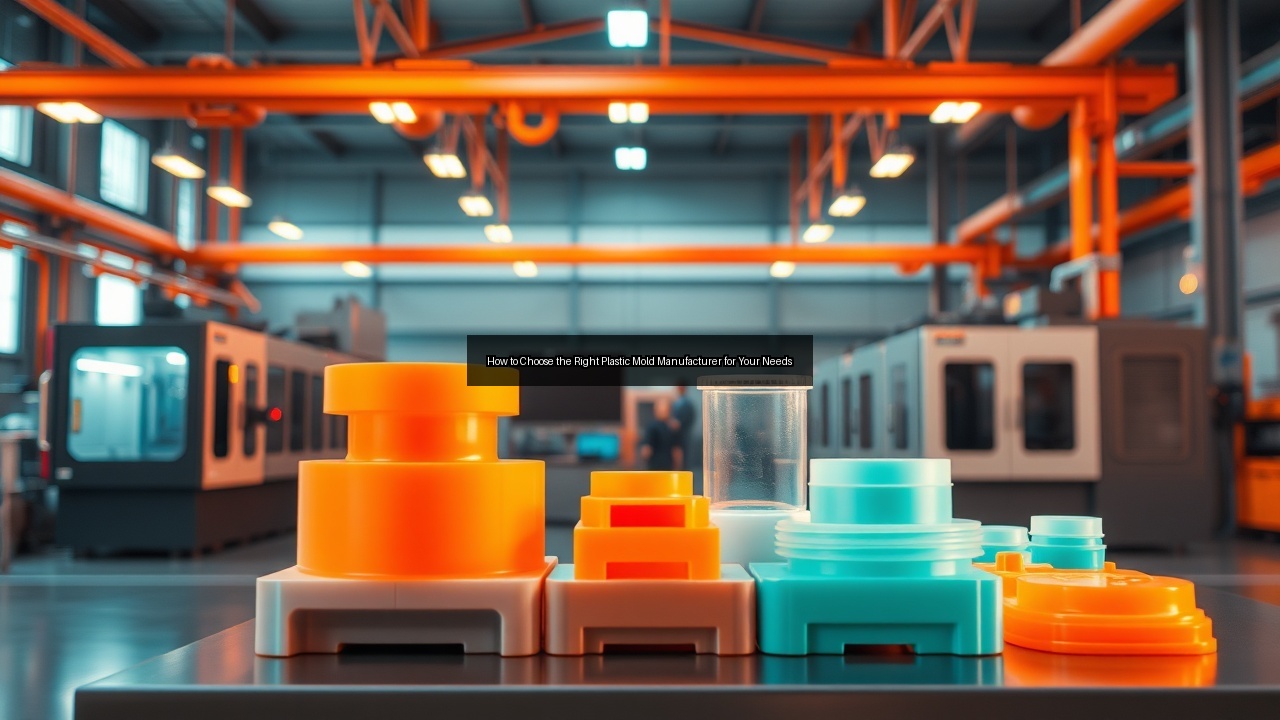
Plastic mold manufacturers produce tools that shape raw plastics into precise components across industries. Common varieties include injection molds for high-volume runs and thermoformed molds suited to larger, lighter parts. Each type supports distinct fabrication needs, from intricate medical devices to durable automotive panels. Selecting the right plastic mold manufacturer means matching mold style to your project's scale, material demands, and surface finish requirements. Experienced manufacturers guide clients through options that optimize cycle times and reduce waste during plastic fabrication. Injection molds often deliver tight tolerances, while thermoformed alternatives excel when cost per part matters most for low to medium volumes. Understanding these differences helps buyers avoid mismatched tooling that inflates expenses or delays production schedules.
The Role of Thermoforming in Plastic Production
Thermoforming heats thermoplastics sheets until pliable, then draws them over molds to create finished shapes. This process supports rapid prototyping and economical runs of packaging trays, enclosures, and vehicle interiors. A capable plastic mold manufacturer designs sturdy aluminum or composite molds that withstand repeated heating cycles without warping. Plastic thermoforming often pairs with secondary operations like trimming and assembly inside the same facility. Manufacturers skilled in this method help clients choose sheet thicknesses and draw ratios that maintain structural integrity while cutting material use. The technique complements injection molding when parts exceed practical size limits for injection molds. Buyers gain flexibility when their plastic mold manufacturer offers both thermoforming and injection molding under one roof, streamlining supply chains and ensuring consistent quality across mixed production needs.
Injection Molding vs. Thermoforming: Key Differences
Injection molding forces molten plastic into closed steel or aluminum injection molds under high pressure, yielding complex geometries and excellent repeatability. Thermoforming, by contrast, pulls heated sheets against open molds, favoring simpler contours and faster tool changes. A knowledgeable plastic mold manufacturer explains how injection molding process parameters affect wall thickness and cycle speed, while thermoforming prioritizes material distribution and draft angles. Injection-molded parts typically achieve finer details and higher strength, whereas thermoformed components offer larger surface areas at lower tooling investment. Manufacturers evaluate part geometry, annual volumes, and finish requirements before recommending one route. Clients who understand these trade-offs work more effectively with their chosen plastic mold manufacturer to balance upfront costs against long-term production efficiency and part performance.
Criteria for Selecting a Plastic Mold Manufacturer
Experience and Expertise in Plastic Fabrication
Years spent refining plastic fabrication techniques separate average manufacturers from true experts. Seasoned teams have solved warping issues in thermoplastics, optimized gate locations on injection molds, and improved cooling channels that shorten cycle times. A plastic mold manufacturer with broad project history brings proven processes that reduce trial runs and scrap rates. Clients should review case studies covering similar part sizes, materials, and industries. Expertise also shows in the ability to suggest design tweaks that enhance moldability without compromising function. Manufacturers who document successful runs of both injection molded and thermoformed products demonstrate versatility that protects buyers from future bottlenecks. Direct conversations with past clients reveal how well the team communicates during design iterations and production scaling.
Types of Molds Offered: Injection vs. Thermoformed
Versatile manufacturers maintain capabilities in both injection molds and thermoformed tooling. Injection molding demands precision steel cavities capable of withstanding thousands of cycles, while thermoforming relies on lighter, often temperature-controlled molds. A plastic mold manufacturer that fabricates both types internally provides seamless transitions when product designs evolve. Buyers benefit from single-source accountability for mold maintenance and spare parts. Injection molding suits intricate features and high volumes; thermoforming handles large panels economically. Manufacturers that clearly outline lead times and material compatibility for each mold type help clients forecast project timelines accurately. This breadth of offerings signals a mature operation ready to support changing production requirements over multiple product generations.
Material Options: Understanding Thermoplastics
Thermoplastics such as ABS, polycarbonate, polyethylene, and polypropylene each behave differently during heating and cooling. An informed plastic mold manufacturer maintains an inventory of approved resins and understands shrinkage rates, flow characteristics, and impact resistance for every grade. They advise on additives that improve UV stability or flame retardance when needed. Knowledge of material behavior prevents defects like sink marks in injection molding or uneven thinning during plastic thermoforming. Clients gain confidence when manufacturers supply material data sheets and recommend substitutions that maintain performance while lowering cost. Strong suppliers also track regulatory compliance for food-contact or medical-grade thermoplastics, ensuring finished parts meet industry standards without additional testing delays.
Evaluating Manufacturer Capabilities
Production Capacity and Lead Times
Production capacity determines whether a plastic mold manufacturer can meet volume spikes without outsourcing. Modern facilities track machine utilization and maintain buffer capacity for urgent orders. Realistic lead times for new injection molds range from four to twelve weeks, while thermoformed tooling often completes faster. Manufacturers that share detailed scheduling software give clients visibility into mold trials and first-article inspections. Capacity planning also covers secondary operations such as pad printing or ultrasonic welding that keep parts moving through the factory. Buyers should confirm the number of presses and thermoforming machines available, along with staffing levels during peak seasons, to avoid unexpected delays that cascade into missed market launches.
Quality Assurance Processes
Robust quality systems begin with incoming resin inspection and extend through in-process checks and final dimensional verification. Leading plastic mold manufacturers employ coordinate measuring machines, optical comparators, and statistical process control to maintain tight tolerances. Documentation of every production lot supports traceability requirements common in automotive and medical sectors. First-article inspection reports and capability studies demonstrate process stability before full runs begin. Regular mold maintenance schedules prevent flash or dimensional drift that degrades part quality over time. When manufacturers publish their ISO or IATF certifications and invite facility audits, buyers obtain objective proof of disciplined manufacturing practices rather than marketing claims alone.
Technological Advancements in Plastic Molding
Forward-thinking manufacturers adopt conformal cooling, hot-runner systems, and simulation software that predicts fill patterns before steel is cut. These tools shorten development cycles and improve yield on complex injection molding projects. In thermoforming, servo-driven machines and infrared heating zones deliver consistent material distribution across large parts. A progressive plastic mold manufacturer invests in real-time monitoring that flags pressure or temperature deviations instantly. Clients benefit from shorter validation periods and fewer engineering changes. Technology also includes automated material handling and robotic part removal that reduce labor costs and contamination risks. Manufacturers willing to discuss recent equipment upgrades signal commitment to efficiency and long-term competitiveness.
Cost Considerations in Plastic Mold Manufacturing
Analyzing Quotes: What to Look For
Quotes from a plastic mold manufacturer should itemize mold construction, material, sampling, and revision costs separately. Hidden charges for engineering changes or expedited shipping often inflate final invoices. Buyers compare line items across multiple proposals rather than focusing solely on the bottom number. Detailed breakdowns reveal whether the manufacturer allocates sufficient steel hardness or includes spare inserts for high-wear areas. Quotes that reference specific thermoplastics grades and expected cycle times provide realistic production cost forecasts. Clear payment terms tied to milestones such as design approval and first samples protect both parties and maintain project momentum.
Balancing Cost with Quality and Service
Lowest price rarely delivers the best outcome when molds require frequent repairs or produce inconsistent parts. A balanced plastic mold manufacturer quotes competitive rates while guaranteeing mold life and surface finish standards. Service elements such as on-site trials, operator training, and rapid response to production issues add measurable value. Clients calculate total cost of ownership by factoring in downtime, scrap, and rework that stem from inferior tooling. Manufacturers that stand behind their work with written warranties on mold components encourage confidence even when initial quotes sit slightly above competitors. Transparent discussions about trade-offs between mold complexity and part price prevent unpleasant surprises once production begins.
Long-term Value vs. Initial Investment
High-quality injection molds and thermoformed tools repay their cost through extended production life and consistent part quality. Manufacturers who design molds for easy maintenance and future design changes deliver lasting value. Long-term relationships with a single plastic mold manufacturer often yield volume discounts on repeat orders and priority scheduling. Buyers should project total parts produced over the mold's expected lifespan when comparing options. Investing in robust cooling, wear-resistant coatings, and modular inserts reduces per-part cost dramatically at higher volumes. Manufacturers that track mold performance data help clients plan refurbishments before quality drifts, protecting margins across multi-year programs.
Building a Relationship with Your Manufacturer
Communication and Collaboration
Effective collaboration starts with dedicated project engineers who respond quickly to design questions. Regular video calls and shared CAD platforms keep both teams aligned during mold development. A responsive plastic mold manufacturer translates customer requirements into feasible tooling solutions without unnecessary complexity. Clear escalation paths for technical issues prevent small problems from becoming costly delays. Joint design reviews uncover opportunities to simplify features or standardize components across product families. Manufacturers that document every decision create an institutional memory that benefits future projects and new team members on both sides.
After-Sales Support and Maintenance
Mold performance depends on scheduled maintenance that includes cleaning, lubrication, and inspection of critical surfaces. Manufacturers offering on-site service or rapid spare-part delivery keep production lines running. Plastic mold manufacturers who store mold history records can diagnose recurring issues faster and recommend targeted improvements. Training programs for customer maintenance staff extend tool life and reduce emergency calls. Written maintenance schedules tied to shot counts or hours of operation help clients budget for upkeep and avoid unplanned downtime. Strong after-sales partnerships transform the initial purchase into a reliable production asset rather than a recurring headache.
Feedback and Continuous Improvement
Regular performance reviews between client and manufacturer drive incremental gains in cycle time, scrap reduction, and part consistency. Data collected from production runs informs mold modifications that boost output without new capital investment. A collaborative plastic mold manufacturer welcomes constructive feedback and implements changes promptly. Joint kaizen events focused on specific pain points strengthen the relationship and yield measurable savings. Documented improvement projects also support annual contract negotiations by demonstrating mutual commitment to efficiency. Over time, this feedback loop positions both organizations to respond faster to market shifts and new product opportunities.
See Also
- A Deep Dive into the Plastic Injection Molding Process
- The Importance of Quality Control in Plastic Mold Manufacturing
- Exploring the Benefits of Injection Molding for Plastic Fabrication
- From Concept to Creation the Journey of a Plastic Mold Manufacturer
- The Future of Thermoforming and Its Impact on Plastic Molding